

Table of Contents
Why Your Chiropractic Team Management Determines Your Practice’s Success
Your practice isn’t just built on your adjustments—it’s built on the people who help you deliver care every day.
Your front desk, your assistants, and everyone on your team play a crucial role in ensuring that your patients receive the best experience possible.
Without a strong, engaged, and efficient team, even the most skilled chiropractor will struggle to grow their practice.
If your team is engaged, confident, and aligned with your vision, your practice runs smoothly, retains patients, and grows effortlessly.

Patients can feel when a team is working in sync—it creates a seamless experience from the first phone call to every follow-up visit.
But if your team is disorganized, unmotivated, or unclear on their roles, it can create unnecessary stress, patient frustrations, and lost revenue.
When a practice lacks clear leadership and systems, small inefficiencies start to add up.
Patients experience inconsistent service, scheduling mistakes become common, and team members feel unsure about their responsibilities.
The result? Higher staff turnover, lower patient retention, and a practice that feels chaotic instead of efficient.
So how do you build a chiropractic team management strategy that works?
It starts with clear leadership, smart systems, and a culture of accountability.

By focusing on defining roles, improving communication, and empowering your team in your chiropractic team management strategy, you can create an environment where your staff takes ownership, solves problems proactively, and supports your vision for long-term growth.
In this guide, we’ll break down five essential steps to creating a chiropractic team management strategy that helps you build a team that operates smoothly, efficiently, and with a shared sense of purpose.
Whether you’re running a small team or managing multiple practitioners, these strategies will help you build a workplace where your team feels supported—and your patients receive top-tier care.
Let’s dive in!
Team Building for Chiropractors: 5 Must-Know Strategies
1) — Curb the Confusion: Define Roles & Responsibilities
Why It Matters to Your Business
Unavoidable Chiropractic Team Management Truth #1: If your team isn’t clear on who does what, tasks will get missed, and frustration will build.
Many chiropractic teams operate in reactive mode—handling things as they come instead of having the defined systems that are laid out in a complete chiropractic team management plan.
This creates unnecessary stress and inconsistency, leading to inefficiencies that impact both patient care and team morale.
When roles and responsibilities are unclear, team members may unintentionally duplicate efforts, neglect key tasks, or become frustrated due to overlapping duties.
The key to solving this issue is role clarity—a structured approach where every team member knows exactly what’s expected of them, and that’s exactly what a good chiropractic team management plan delivers.
- Clearly define each team member’s role. Make sure job descriptions include not just broad duties but also the specific outcomes expected from each role.
- Identify primary and secondary responsibilities. Ensure each task has a designated owner and an assigned backup to maintain continuity.
- Document key processes and standard operating procedures (SOPs). Having written guidelines ensures consistency and smooth onboarding for new team members.
- Assign accountability partners. Pair team members to ensure no critical tasks slip through the cracks.
Action Step
Create a responsibility chart that clearly outlines every role in your practice. Review it with your team, make adjustments as necessary, and encourage open discussions about ways to improve role clarity.
By setting clear expectations and giving your team structured responsibilities as part of your chiropractic team management plan, you eliminate guesswork and create an efficient, empowered team that works seamlessly together.
The stronger the foundation of defined roles, the smoother your practice will run.

2) — Align the Team: Set Expectations & Standards
Why It Matters to Your Business
Unavoidable Chiropractic Team Management Truth #2: You can’t expect consistent results from your team if you haven’t clearly communicated what’s expected.
A well-functioning chiropractic team doesn’t just happen—it’s built through clear expectations, defined workflows, and consistent reinforcement (i.e. your chiropractic team management strategy).
When expectations are vague, employees become unsure about their priorities, leading to inconsistencies in patient care and unnecessary stress.
Without clear standards:
- Team members may approach tasks differently, creating confusion.
- Service levels vary from one team member to another, affecting patient experience.
- Small issues build up over time, leading to frustration and disengagement.
Creating an effective chiropractic team management strategy involves setting measurable expectations provides structure, accountability, and a shared sense of purpose.
Here’s how you can align your team:
- Define service expectations: How should patients be greeted? What’s the process for handling scheduling changes?
- Set performance benchmarks: What does success look like? How should patient follow-ups be handled?
- Communicate non-negotiables: Punctuality, professionalism, and patient communication should be firm and clear.
- Create team agreements: When staff contribute to setting expectations, they are more likely to uphold them.
Action Step
Host a team meeting where you outline key expectations and get input from your staff. Encouraging team participation makes them feel more invested in upholding the standards.
Reinforcing Standards Over Time
Setting expectations is just the beginning—reinforcement is where leadership shines.
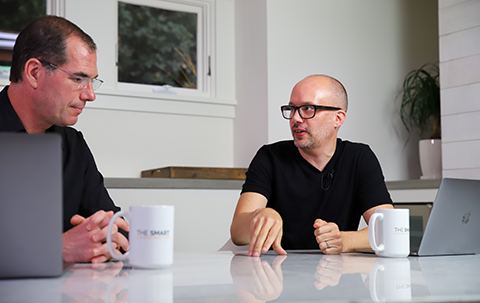
A strong leader consistently reviews, refines, and reinforces expectations through:
- Regular check-ins: Weekly or monthly discussions help address any challenges before they become bigger problems.
- Ongoing feedback loops: Encourage team members to share what’s working and what isn’t.
- Performance reviews with clear benchmarks: Evaluations tied to specific expectations help employees understand what’s required for success.
Action Step
Implement a bi-weekly check-in where you review expectations, discuss progress, and address any gaps as a team. When everyone understands and embraces the expectations, your practice will run more smoothly, patient care will be more consistent, and your team will feel more engaged.
3) — Boost Chiropractic Business Efficiency: Use Huddles
Why It Matters to Your Business
Unavoidable Chiropractic Team Management Truth #3: Most team problems aren’t skill issues—they’re communication issues.
Many workplace frustrations stem from miscommunication, unclear expectations, or a lack of regular check-ins.
Without consistent team discussions, small problems build up and turn into bigger issues that affect efficiency, morale, and patient experience.
A 5-minute daily team huddle can eliminate confusion and keep your team operating efficiently.
How Team Huddles Keep Your Practice Running Smoothly
Think of team huddles as your practice’s daily reset button—a structured time to align, motivate, and ensure everyone is on the same page.
A well-run huddle:
- Starts the day with clarity—Everyone knows the schedule, priorities, and potential challenges.
- Prevents last-minute surprises—Missed details often cause stress and inefficiencies; a quick check-in prevents them.
- Strengthens team engagement—Frequent connection fosters a sense of collaboration and accountability.
- Encourages proactive problem-solving—Instead of reacting to issues throughout the day, your team can anticipate and address them upfront.
Action Step
As part of your chiropractic team management strategy, schedule a 5-10 minute huddle at the start of each day. Keep it brief, structured, and focused on solutions.
What to Cover in Your Daily Team Huddle
To be effective, huddles need a clear structure.
Here’s a quick and efficient format:
- Wins & Gratitude: Start with something positive (a patient success, a team shoutout, or an office improvement).
- Key Priorities for the Day: Review the schedule, highlight busy periods, and discuss any special cases.
- Potential Challenges: Identify where extra support might be needed (e.g., double bookings, staff absences).
- Quick Updates: Announce any policy reminders, procedural changes, or upcoming promotions.
- Team Input: Give everyone a moment to raise questions or share before wrapping up.
Action Step
If your team doesn’t already do daily huddles, start with three per week and adjust based on feedback.
How to Ensure Huddles Stay Productive (Not a Time-Waster)
Team huddles are powerful, but they can quickly become inefficient if not managed well as part of your chiropractic team management strategy.
Avoid these common mistakes:
- Dragging them out too long: Keep it to 5-10 minutes max to maintain focus.
- Allowing complaint sessions: Huddles should be solution-oriented, not a place to vent.
- Skipping them when busy: A huddle is most valuable on hectic days, so don’t cancel when things get busy.
Action Step
Assign a team lead to facilitate huddles and keep them structured. Rotate this responsibility weekly to encourage engagement.
When done right, consistent, focused communication eliminates inefficiencies and strengthens teamwork.
A small habit like a daily huddle can transform the way your team operates, creating a smoother experience for both your staff and your patients.

4) — Skip Micro-Managing:Create a Culture of Ownership
Why It Matters to Your Business
Unavoidable Chiropractic Team Management Truth #4: If you’re constantly putting out fires, your team isn’t truly empowered to handle things on their own.
Many chiropractors unknowingly take on too much because they feel responsible for every detail of the practice.
But great leaders don’t just manage—they empower their team to take ownership of their roles.
When employees feel trusted and responsible for their work, they’re more engaged, proactive, and motivated to contribute to the practice’s success.
How Ownership Transforms Chiropractic Team Management
A culture of ownership means your team isn’t just following orders—they’re thinking critically, solving problems, and making informed decisions.
Here’s what happens when ownership becomes part of your practice culture:
- Team members proactively solve problems instead of waiting for instructions.
- They feel confident in their ability to make decisions within their role.
- They understand how their work impacts the bigger picture—which increases motivation.
- Workflows become smoother because fewer decisions need to be funneled through leadership.
Action Step
The next time a team member brings you a problem, ask them what they think the solution is. This small shift encourages critical thinking and confidence in decision-making.
Ways to Encourage Ownership in Your Practice
If you want your team to take more initiative as part of your chiropractic team management strategy, you have to create an environment that supports it.
Here’s how:
- Clarify decision-making authority: Who is responsible for what? Make it clear what decisions team members can make without needing approval.
- Encourage autonomy within roles: Allow flexibility in how employees complete their tasks as long as they meet expectations.
- Recognize proactive behavior: When someone takes initiative, acknowledge it publicly to reinforce the behavior.
- Provide the right training and tools: Ownership isn’t just about mindset—it’s about having the confidence and skills to take action.
Action Step
Give each team member a “leadership opportunity” in their role—whether it’s managing patient follow-ups, handling appointment reminders, or improving workflow processes.
From the Podcast: The Power of Personal Development in Chiropractic with Dr. Lynne Mouw
In this episode of Interviews by The Smart Chiropractor, we sit down with Dr. Lynne Mouw, founder of Mouw Family Chiropractic and board member of UAC (Ultimate Achievers Club), to discuss how personal development and a strengths-based mindset can transform your chiropractic practice and personal life.
Common Leadership Pitfalls That Prevent Ownership
Even well-intentioned leaders can stifle team ownership without realizing it.
Avoid these common mistakes:
- Micromanaging instead of trusting: If employees feel like every move is being second-guessed, they’ll hesitate to take initiative.
- Not providing clarity: Team members can’t take ownership if they don’t fully understand their responsibilities.
- Focusing too much on mistakes: If employees fear making mistakes, they’ll avoid stepping up. As part of your chiropractic team management strategy, encourage learning from errors instead.
Action Step
At your next team meeting, ask your team for suggestions on improving an aspect of office efficiency. Giving them a voice in decision-making fosters a stronger sense of ownership.
When you trust and empower your team, you create a self-sufficient practice where employees take pride in their work.
That means less stress for you and better results for your patients.

5) — Think Long-Term: Prioritize Recognition & Feedback
Why It Matters to Your Business
Unavoidable Chiropractic Team Management Truth #5: The best teams aren’t just well-trained—they’re well-supported.
A motivated, high-performing team isn’t just the result of clear roles and expectations—it’s built on consistent recognition and feedback.
Employees who feel valued and heard are far more likely to stay engaged, take initiative, and contribute to a thriving practice.
In contrast, when recognition is inconsistent or feedback only happens during annual reviews, team members may feel unappreciated or uncertain about their performance.
The result? Lower morale, higher turnover, and a practice that struggles to maintain momentum.
The Impact of Recognition on Team Performance
Recognition isn’t just about saying thank you—it’s about creating a culture of appreciation that fuels motivation and reinforces the behaviors that make your practice thrive.
- Recognize effort, not just results. Celebrate the process, not just the outcome. Acknowledging hard work—especially in challenging situations—keeps motivation high.
- Celebrate small wins. Whether it’s a team member handling a difficult patient interaction with patience or streamlining a process, every improvement matters.
- Make recognition public. A simple shoutout in a team meeting or an acknowledgment board in the break room goes a long way in reinforcing positive actions.
Action Step
End every Friday with a “win of the week” shoutout in your office. This keeps morale high and encourages your team to look for and appreciate each other’s contributions.
How to Deliver Feedback That Inspires Growth
Effective feedback isn’t just about correcting mistakes—it’s about helping your team improve, grow, and take more ownership of their roles.
Great leaders give feedback frequently, constructively, and with a focus on solutions.
- Be specific and actionable. Instead of saying, “You need to be more organized,” say, “Let’s work on creating a system for handling patient follow-ups more efficiently.”
- Balance praise with improvement opportunities. Positive reinforcement makes constructive feedback easier to accept and act upon.
- Prioritize making feedback a two-way conversation as part of your chiropractic team management strategy. Ask employees for their thoughts on how they can improve and what support they need.
Action Step
Instead of waiting for formal performance reviews, implement monthly mini-feedback sessions to check in with each team member. Keep them short and solutions-focused.
Avoiding Common Leadership Mistakes in Recognition & Feedback
Even well-meaning leaders can struggle with effective recognition and feedback.
Here are some common pitfalls to avoid:
- Only giving feedback when something goes wrong: Feedback should be regular, not just in response to mistakes.
- Using vague or generalized praise: Instead of “Great job,” try “I really appreciate how you handled that scheduling conflict today. You kept the patient calm and found a great solution.”
- Not asking for feedback in return: Leadership is a two-way street. Encourage your team to share how you can support them better.
Action Step
As part of your chiropractic team management strategy, at your next team meeting, ask your team how they prefer to receive recognition and feedback. Some may appreciate public praise, while others prefer private acknowledgment. Adapting your approach makes recognition more meaningful.
When You Get Recognition & Feedback Right, Everything Else Gets Easier
A practice that prioritizes consistent, meaningful recognition and growth-oriented feedback fosters a team that is motivated, engaged, and committed to your vision.
The more your team feels valued and supported, the more they’ll step up, take ownership, and contribute to a smooth-running, thriving practice.

Want a Team That Runs Itself? Let Patient Pilot Handle Engagement for You.
Why It Matters to Your Business
A strong team (and chiropractic team management strategy) makes everything in your practice easier—but even with a great team, patient engagement can still slip through the cracks.
Even with the most dialed in chiropractic team management strategy, one truth remains: your team is busy. Between scheduling, patient interactions, administrative tasks, and ensuring the office runs smoothly, they already have a lot on their plate.
Adding patient engagement efforts—like consistent follow-ups, reactivation emails, and patient education—can feel overwhelming.
That’s where Patient Pilot comes in.
How Patient Pilot Supports Your Team (Without Adding More Work)
Instead of relying on your team to manually track patient engagement, follow up with inactive patients, and send educational content, Patient Pilot automates these tasks, freeing up your staff to focus on in-office patient care.
- Automated patient education keeps patients engaged and informed about their care—without your team having to send individual emails.
- Follow-up sequences ensure no patient gets lost in the shuffle, helping you maintain retention without adding extra administrative work.
- Engagement emails build trust and relationships with your patients, so they stay connected to your practice between visits.
Ready to see how automation can take the pressure off your team while boosting retention?
Schedule your Patient Pilot Demo today.

Final Takeaway: Great Chiropractic Team Management Makes Everything Easier
Why It Matters to Your Business
Your practice can only grow as strong as the team that supports it.
A chiropractic office that runs like clockwork isn’t just about having great systems—it’s about building a team that feels engaged, empowered, and aligned with your vision.
When your team is clear on their roles, equipped with the right tools, and recognized for their contributions, everything in your practice flows more smoothly.
Patients notice when a team is working in sync. They feel the energy, the professionalism, and the commitment to high-quality care.
And when patients feel that level of confidence in your team, they’re more likely to stay, refer others, and become long-term advocates for your practice.
How to Maintain a High-Performing Team Over Time
Building a strong team isn’t a one-time effort—it’s an ongoing process.
Here’s how to keep your team engaged for the long haul:
- Regularly revisit roles & responsibilities – As your practice evolves, ensure your team’s duties and workflows adapt to support growth.
- Reinforce expectations & communication – Keeping your team aligned takes consistent leadership, not just one-time meetings.
- Recognize and develop talent – The best teams aren’t just acknowledged for their work—they’re given opportunities to grow.
- Invest in tools that lighten the load – Using automation (like Patient Pilot) ensures your team can focus on what matters most: patient care.
Take a moment to reflect on your chiropractic team management dynamics—what’s working well, and what could be improved?
Start with one action this week that strengthens leadership, communication, or engagement.
Small changes lead to big results.